Health and Safety Policy for Man With Van Chiswick
 Man With Van Chiswick is committed to protecting the health, safety, and wellbeing of every employee, contractor, customer, and member of the public who may be affected by our work. This policy sets out the standards we follow to reduce risks during loading, transport, unloading, and any related handling activities. We believe that safe working practices are essential to reliable service, and we expect all team members to take personal responsibility for maintaining a safe environment. Our approach is based on prevention, awareness, and accountability, with regular checks to make sure our operations remain safe, practical, and effective.
We understand that moving goods involves physical effort, changing environments, and the use of vehicles and equipment. For that reason, our team is trained to recognise hazards before they become incidents. We aim to work in a way that prevents injuries, avoids property damage, and protects items being moved. This policy applies to all activities carried out under the Man With Van Chiswick name, including preparation, lifting, carrying, packing support, securing loads, and road transport.
Health and safety is everyone???s responsibility. Managers, supervisors, and workers must all play a part in identifying risks, reporting concerns, and following safe systems of work. No task should be carried out in a manner that puts anyone at unnecessary risk. If a situation is unsafe, work must be paused until it can be made safe. This principle supports both our staff and the people whose premises or belongings we handle.
We assess each job before it begins to identify any hazards that could affect the work. Common risks may include awkwardly shaped items, narrow access points, slippery surfaces, poor lighting, unstable loads, or weather conditions that make handling more difficult. When needed, we plan the job so that suitable equipment, additional help, or alternative methods are used. Risk assessment is not a one-time activity; it continues throughout the job so that new hazards can be addressed immediately.
Safe manual handling is a core part of our policy. Team members must use correct lifting techniques, keep loads within manageable limits, and ask for assistance when an item is too heavy, bulky, or awkward to move alone. We avoid unnecessary twisting, rushing, or overreaching. Where possible, we use trolleys, straps, blankets, and other aids to reduce strain and improve control. Training in manual handling is provided so that staff can work safely and confidently.
 The middle of the job often presents the greatest physical demands, so we remain especially alert during loading and unloading. Items must be placed securely in the vehicle to prevent movement during transit, and heavier goods should be positioned to maintain balance. Care must be taken not to block exits, compromise visibility, or overload the vehicle. All equipment must be inspected before use, and any damaged or unsafe item must be removed from service at once.
Vehicle safety is a key part of our health and safety management. Only authorised and suitably trained drivers may operate company vehicles. Before each journey, drivers should check tyres, lights, mirrors, brakes, fuel levels, and load security. They must also follow road laws, drive responsibly, and adjust their speed and behaviour to suit traffic, weather, and road conditions. No driver should continue a journey if fatigue, illness, or mechanical issues could affect safety.
Personal protective equipment may be used when it is necessary to reduce risk. Depending on the task, this may include gloves, high-visibility clothing, safety footwear, or other suitable items. PPE is not a substitute for safe working methods, but it offers an additional layer of protection where hazards cannot be fully removed. Staff are expected to wear and maintain PPE correctly and report any defects promptly.
We also recognise the importance of keeping work areas clean, tidy, and free from avoidable hazards. Packaging materials, straps, tools, and discarded items should not be left where they could cause trips or interfere with movement. Good housekeeping supports safer lifting, faster access, and better control of the working environment. Attention to detail helps reduce incidents and keeps operations running smoothly.
Communication is essential to safe working. Team members must share relevant information before and during a job, including access difficulties, fragile items, customer instructions, or any condition that could affect the move. Clear communication reduces confusion and helps everyone work in a coordinated way. Where several people are involved, one person should give instructions to prevent conflicting actions and unsafe movements.
 Emergency preparedness is another important part of our policy. First-aid arrangements must be available, and staff should know how to respond to injury, fire, vehicle breakdown, or another serious incident. If an accident occurs, the priority is to protect people from further harm and seek appropriate help. Incidents, near misses, and hazards are recorded and reviewed so that lessons can be learned and future risk reduced. Prompt reporting helps us improve safety standards across all work activities.
We also expect professional conduct at all times. Workers must not carry out tasks while under the influence of alcohol, drugs, or any medication that could impair judgement or physical ability. Fatigue, stress, and pressure can also affect safety, so workloads and schedules should be managed realistically. If a worker feels unable to perform a task safely, they must raise the issue immediately.
Training, supervision, and review are central to maintaining high standards. New workers receive instruction on manual handling, safe loading, vehicle checks, reporting procedures, and emergency actions. Refresher training is provided when work methods change or when improvements are identified through inspections or incident reviews. Supervisors monitor day-to-day practice to ensure that this policy is followed consistently and that safe behaviour remains part of our working culture.
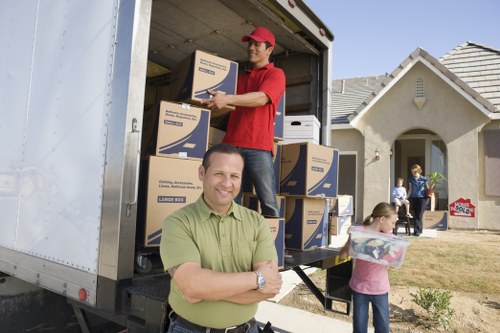 We are committed to protecting both people and property during every stage of service. Items should be handled with care, secured properly, and moved using methods that minimise the chance of damage or injury. Customers and third parties should be kept clear of active handling areas whenever possible. If conditions become unsafe due to weather, access issues, or unexpected obstacles, the job may be delayed or adapted until it can be completed safely.
All staff are expected to co-operate with this policy and support a culture where safety comes first. Unsafe practices, shortcuts, and disregard for procedure are not acceptable. Management will take action where necessary to correct unsafe behaviour and maintain consistent standards. By following these requirements, Man With Van Chiswick aims to provide a service that is dependable, responsible, and safe for everyone involved.
 Review and compliance are built into our health and safety approach. This policy will be reviewed regularly to ensure it remains suitable for the nature of our work and the risks we face. Updates may be made after incidents, changes in equipment, changes in legislation, or improvements identified through experience. Our goal is continuous improvement, with safety treated as a lasting priority rather than a one-time task. Through careful planning, proper training, and consistent attention to safe practice, Man With Van Chiswick remains committed to protecting people, property, and professional standards in every job we undertake.